Unleash Authentic Flavor: The Best Homemade Pizza Sauce Guide
There’s nothing quite like the aroma of a freshly baked pizza emerging from the oven, its crust crisp, cheese bubbly, and toppings perfectly cooked. But what truly elevates a homemade pizza from good to extraordinary isn't just the dough or the cheese – it's the foundation of flavor: the sauce. Forget store-bought jars filled with mystery ingredients; crafting the best homemade pizza sauce is a surprisingly simple and rewarding endeavor that promises to transform your pizza nights forever.
Imagine a sauce that’s vibrant, rich, perfectly balanced, and bursting with the taste of sun-ripened tomatoes and aromatic herbs. This guide will walk you through creating an authentic Italian pizza sauce from scratch, empowering you with the knowledge to make a batch that’s not only incredibly delicious but also versatile, freezer-friendly, and free from any artificial additives.
Why Homemade Pizza Sauce Is Your Secret Weapon
Opting for a homemade pizza sauce offers a multitude of benefits that industrial alternatives simply can't match:
- Unrivaled Freshness & Flavor: You have complete control over the quality of your ingredients, ensuring every spoonful is packed with peak flavor. The difference between fresh and processed ingredients is stark, making a tangible impact on your final pizza.
- No Mystery Ingredients: Say goodbye to preservatives, artificial colors, and excessive sugar or sodium. Your kitchen, your rules. This recipe is naturally vegan-friendly and gluten-free, catering to a wide range of dietary needs.
- Cost-Effective: Making sauce from scratch often proves to be more economical in the long run, especially when you consider the generous yield of this recipe. A single batch can easily cover 3-4 medium pizzas, saving you money compared to purchasing multiple jars of commercial sauce.
- Customization at Your Fingertips: Love a bit more garlic? Crave a hint of heat? Prefer a smoother texture? Homemade allows you to adjust every element to suit your personal palate.
- Thick & Hearty Consistency: Our recipe focuses on achieving a lovely, thick sauce that won't make your pizza soggy. The consistency can be adjusted based on simmering time – the longer it simmers, the more concentrated and thick it becomes.
The time investment is minimal, often taking around 30 minutes from start to finish, including simmering. This makes it an ideal staple for your kitchen, ready to elevate any pizza creation.
The Anatomy of the Best Homemade Pizza Sauce: Essential Ingredients
The magic of authentic Italian pizza sauce lies in the simplicity and quality of its components. Here’s what you’ll need to gather:
The Tomatoes: The Heart of the Sauce
- Canned Whole Peeled San Marzano Tomatoes: This is arguably the most crucial ingredient. While diced or pureed canned tomatoes can work, whole San Marzano tomatoes are superior. They offer a sweeter, less acidic flavor profile and a vibrant red color, which translates to a richer, more authentic sauce. Starting with whole tomatoes also allows you to control their breakdown, resulting in a more rustic texture that many prefer for pizza. Crush them by hand for a satisfyingly authentic feel and irregular chunks, or use an immersion blender for a smoother consistency.
Aromatics & Flavor Builders
- Good Quality Olive Oil: A generous splash of extra virgin olive oil isn't just for cooking; it's a fundamental flavor enhancer. It helps to bloom the spices and cook down the aromatics, building a rich base for your sauce.
- Grated Onion: Grating the onion instead of finely dicing it allows it to practically melt into the sauce as it cooks, imparting a subtle sweetness and depth without leaving noticeable chunks. This is a chef's trick for seamless flavor integration.
- Pressed Garlic: Using a garlic press releases more of the garlic's essential oils, intensifying its flavor. If you don't have a press, finely mincing works too, but pressing offers a more potent burst of garlic goodness.
Herbs & Seasonings: The Soul of Italian Cuisine
- Dried Oregano & Dried Basil: These classic Italian herbs are non-negotiable. Dried herbs often have a more concentrated flavor than fresh in cooked sauces, especially when simmered.
- Red Pepper Flakes (Optional): For those who appreciate a gentle warmth and a subtle kick, a pinch of red pepper flakes adds a wonderful dimension without overpowering the other flavors.
- Optional Herbs: A tiny pinch of dried marjoram can add another layer of traditional Italian flavor. Experimentation is encouraged!
Balancing Act: Sweetness & Acidity
- Sugar: Canned tomatoes can sometimes be a bit acidic. A small amount of sugar helps to balance this acidity, rounding out the flavors and enhancing the natural sweetness of the tomatoes. You can omit it if you prefer a less sweet sauce or if your tomatoes are naturally very sweet.
- Salt: Essential for seasoning and bringing out all the vibrant flavors. Taste and adjust as needed.
Crafting Your Authentic Italian Pizza Sauce: A Step-by-Step Guide
Ready to get cooking? This process is straightforward and incredibly rewarding.
- Prepare the Tomatoes: Open your can of whole peeled San Marzano tomatoes. Pour them into a large bowl. Using your hands, gently but firmly squish the tomatoes until they break down into a rustic, chunky consistency. Alternatively, for a smoother sauce, you can use an immersion blender directly in the pot later, or pulse them briefly in a food processor, being careful not to over-process into a watery puree.
- Sauté the Aromatics: In a medium-sized saucepan, heat a generous splash of olive oil over medium heat. Add the grated onions along with your dried oregano, dried basil, and red pepper flakes (if using). Sauté for about 3-4 minutes, stirring frequently. The goal is to soften the onions and allow the spices to "bloom" in the hot oil, releasing their full aromatic potential.
- Add the Garlic: Once the onions are translucent and fragrant, add the pressed garlic to the saucepan. Continue to cook for another 30 seconds to a minute. Be careful not to let the garlic brown or burn, as it can turn bitter.
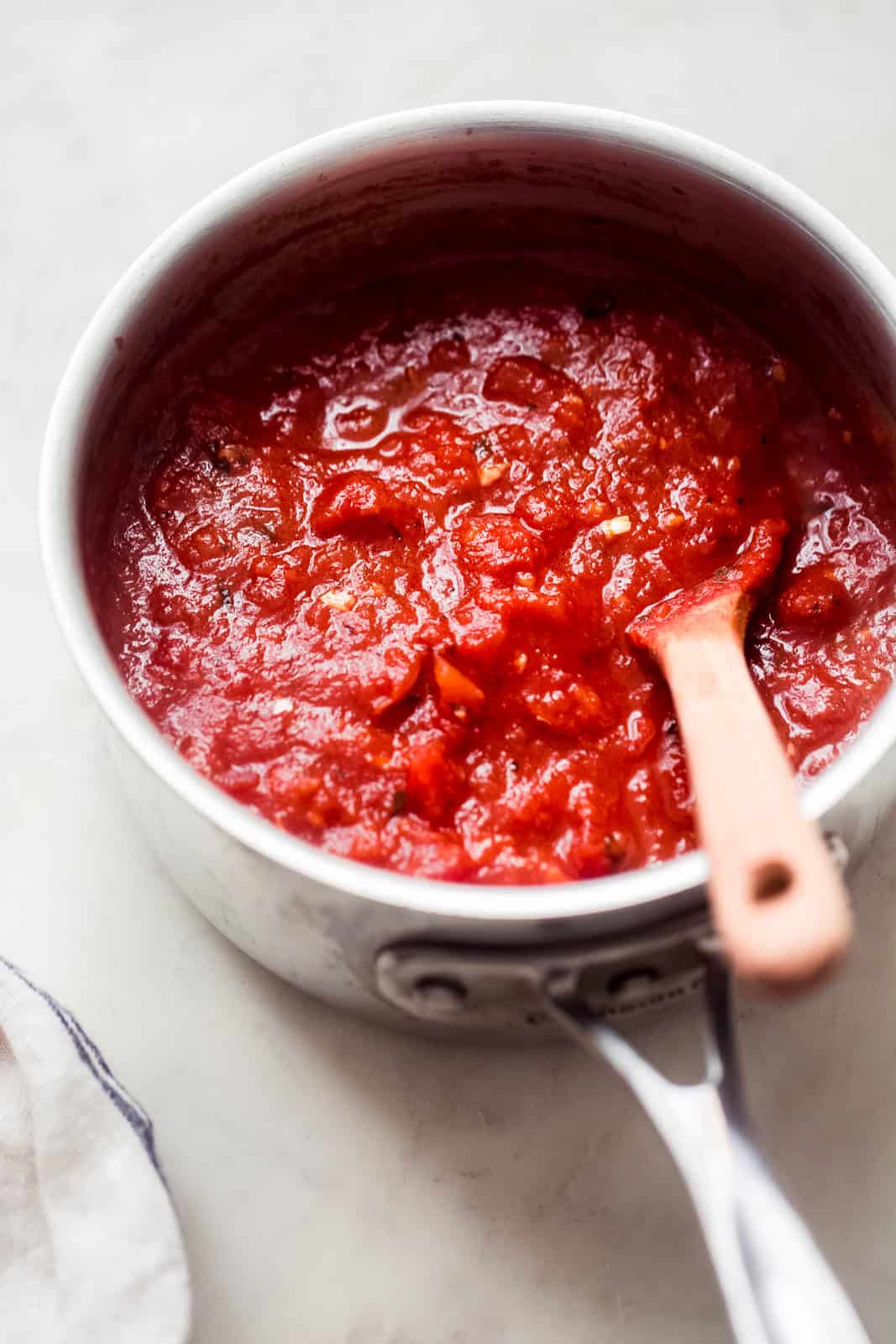
- Simmer to Perfection: Pour the broken-down tomatoes into the saucepan. Stir in the sugar and salt. Bring the sauce to a gentle simmer, then reduce the heat to low. Allow the sauce to cook uncovered for at least 30 minutes. This simmering time is crucial for deepening the flavors and allowing the sauce to thicken. The longer it simmers, the more concentrated and rich it will become. For an even thicker sauce, you can simmer it for up to an hour, stirring occasionally.
- Taste and Adjust: After simmering, taste your sauce. This is your chance to truly personalize it. Does it need more salt? A pinch more sugar to balance acidity? A little extra oregano? Adjust the seasonings until it’s perfect for your palate.
That's it! Your homemade pizza sauce is ready to be spread onto your favorite pizza dough. For those days you might be short on time, remember that a delicious pizza sauce can still be whipped up in a flash. Check out our guide on Quick & Easy Homemade Pizza Sauce: Ready in Just 5 Minutes.
Tips for the Ultimate Homemade Pizza Sauce Experience
- Batch Cooking & Freezing: This recipe makes a generous batch, perfect for meal prepping. Once cooled, divide the sauce into airtight containers or freezer-safe bags. It freezes beautifully for up to 3-4 months. Thaw in the refrigerator overnight or gently reheat from frozen on the stovetop.
- Texture Control: If you prefer a smoother sauce, carefully use an immersion blender directly in the pot after simmering to achieve your desired consistency. For a truly rustic feel, embrace the hand-crushed tomato method.
- Beyond Pizza: Don't limit this incredible sauce to just pizza! It makes a fantastic base for pasta dishes, a delightful dip for breadsticks, a flavorful spread for bruschetta, or even a robust addition to meatballs.
- Fresh Herbs at the End: While dried herbs are excellent for simmering, consider stirring in a handful of fresh chopped basil or oregano just before serving for an added burst of fresh flavor and vibrant color.
- Experimentation: Once you've mastered the basic recipe, feel free to experiment. A tiny splash of balsamic vinegar can add depth, or a touch of red wine can introduce a sophisticated note. Remember, controlling your ingredients allows for endless possibilities, making this truly the best homemade pizza sauce: vegan, GF, and pantry staples friendly!
Conclusion
Making your own pizza sauce from scratch is one of the most impactful steps you can take to elevate your homemade pizzas. This best homemade pizza sauce recipe is not just about combining ingredients; it's about crafting a foundational flavor that speaks to authenticity, quality, and passion. With minimal effort and maximum reward, you'll soon wonder why you ever bought sauce from a jar. So, gather your ingredients, embrace the simple pleasure of cooking, and prepare to impress your taste buds with a pizza sauce that truly makes a difference.
